People who don’t train imagine that learning self-defense makes you paranoid. They picture someone scanning every room for threats, flinching at every noise, living on edge.
It’s the opposite.
The people who train are usually the calmest in the room. Not because they ignore danger. Because they’ve already accounted for it.
The Paradox Nobody Expects
Here’s what sounds like a contradiction until you’ve lived it: the more prepared you are for violence, the more peacefully you live.
It sounds wrong. Training to fight should make you aggressive, right? Thinking about worst-case scenarios should make you anxious.
But that’s not what happens. The anxiety you carried before, that low-level hum of “I don’t know what I’d do if something happened,” goes quiet. Not because you stopped caring. Because you answered the question.
Preparedness supports a calmer, more confident life. Not a paranoid one.
Where Anxiety Actually Comes From
Most people’s fear of violence isn’t about violence itself. It’s about not knowing what to do if it arrives.
Think about the last time you felt uneasy in a parking lot, or on a late-night walk, or when someone got too close and too aggressive. The fear wasn’t just about the situation. It was about the gap between the threat and your ability to respond.
That gap is where anxiety lives. Not in the danger. In the helplessness.
Research consistently shows that people who experience violence almost universally reported warning signals beforehand that they chose to ignore, rationalize, or suppress. The body knew. The mind overrode it. They felt the signal. They didn’t have a plan for what to do with it.
Training closes that gap. Not by removing the danger. By giving you a trained response to it. When you know what the signal means and you know what comes next, the anxiety doesn’t have anywhere to land.
What Relaxed Alertness Actually Feels Like
There’s a concept in threat awareness called the Condition Color Code. It describes your nervous system’s state of readiness at any given moment.
White is unaware. You’re on your phone, headphones in, no idea who’s around you.
Red is emergency mode. Your body is running the full stress response. Heart racing, vision narrowing, everything focused on the immediate threat.
Yellow is where trained people live. It’s relaxed alertness. You know where the exits are. You noticed who walked in behind you. You’re aware of your surroundings without obsessing over them.
Yellow is enough alertness to respond, but not so much that you’re burning resources you’ll need later. It doesn’t feel like paranoia. It feels like paying attention. The same way a good driver checks mirrors without thinking about it, a trained person reads a room without stress. It’s not a heightened state. It’s a habit.
And that habit is what produces peace. Because the person in Yellow doesn’t get surprised by what the person in White never saw coming.
The Smoke Detector, Not the Alarm
Your intuition works like a smoke detector. Sometimes it goes off for steam from the shower. That doesn’t mean it’s broken. It means it’s working, just responding to the wrong signal.
The answer isn’t to disable the detector. The answer is to calibrate it. Learn to tell the difference between steam and smoke. Between a real signal and a false alarm.
That’s what self-defense training does to your fear response. It doesn’t make you less alert. It makes you more accurate. You stop reacting to everything. You start reading what matters.
Before training, a stranger walking too fast behind you in a parking lot produces a spike of unfiltered anxiety. After training, you notice the same person. But now you’re reading the situation. Distance. Angle. Hands. Intent signals. You’re adjusting. Not panicking. Adjusting. Moving toward light and people. Getting keys ready. Changing direction to test whether they mirror.
This isn’t paranoia. It’s awareness with a plan. And awareness with a plan feels nothing like anxiety.
What Your Family Sees
The effect doesn’t stop with you.
When you’ve trained, your family’s sense of security changes. Not because you walk around announcing your capabilities. Because you carry yourself differently. You make decisions faster. You’re calmer in tense situations. You handle conflict with less hesitation.
Your kids notice that mom or dad is the person who stays calm when things get stressful. Your spouse notices that you sleep better, worry less about the news, and respond to problems with solutions instead of anxiety.
Research on communities that live under chronic threat found something surprising. What they built wasn’t hypervigilance or constant fear. It was normalized readiness. Shared scripts, trusted networks, practiced small habits. They had built resilience as infrastructure. It looked like ordinary life. It performed like training.
That’s the model. Not a family that lives in fear. A family that lives with quiet capability. Where the plan exists so the worry doesn’t have to.
The Question That Changes Everything
Most people carry a version of the same question: “What would I do if something happened?”
They carry it to the grocery store. To the school pickup line. To the gas station at night. And because they’ve never answered it, the question loops. It becomes background noise. Low-grade anxiety that never quite goes away.
Training answers the question. Not with theory. With practice. You’ve been grabbed and you’ve escaped. You’ve been surprised and you’ve responded. You’ve been under pressure and you’ve made good decisions. The question stops looping because you’ve lived the answer.
That’s where the peace comes from. Not from ignoring the world. From being ready for it.
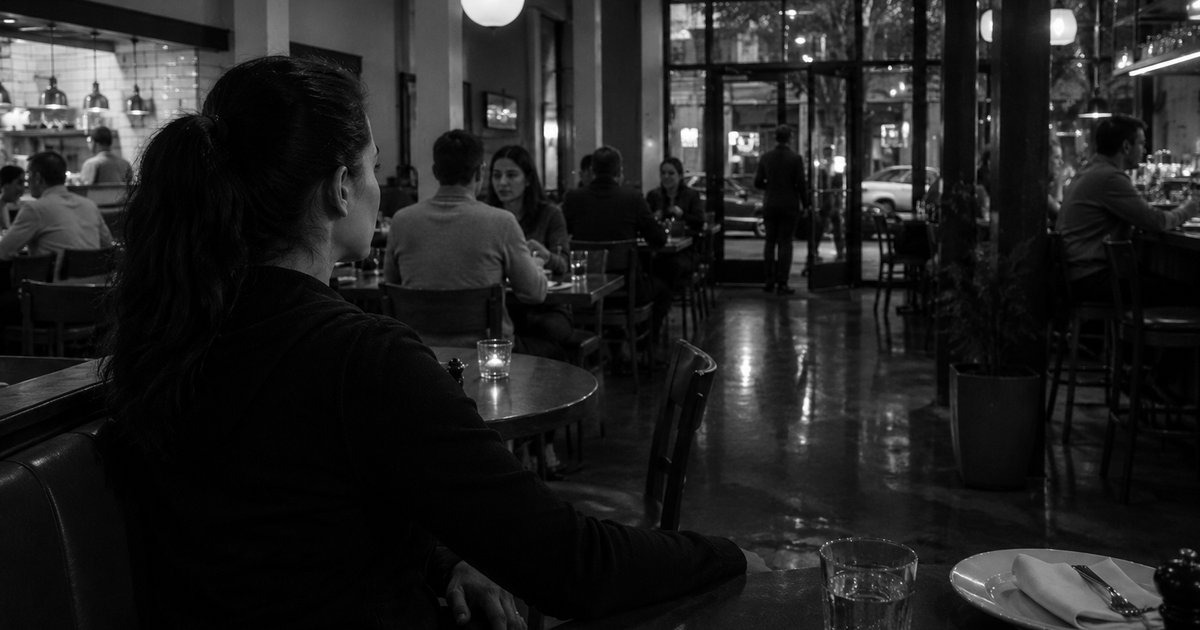
Your daily life after training doesn’t look like a movie. It looks like this: you walk into a restaurant and sit where you can see the door. You notice the exit on the left. You enjoy your meal. You don’t think about threats because you’ve already accounted for them, and your attention is free to be here, with your family, in the moment.
That’s what preparedness gives you. Not fear. Freedom.
Live With Confidence, Not Anxiety
You don’t have to carry that question anymore. Training gives you the answer.
Schedule your free trial lesson at East Texas Krav Maga. Come see what it feels like to start building the kind of calm that only comes from being genuinely prepared.
Want to start before you walk through the door? Download our free guide to building personal awareness and begin answering the question today.


