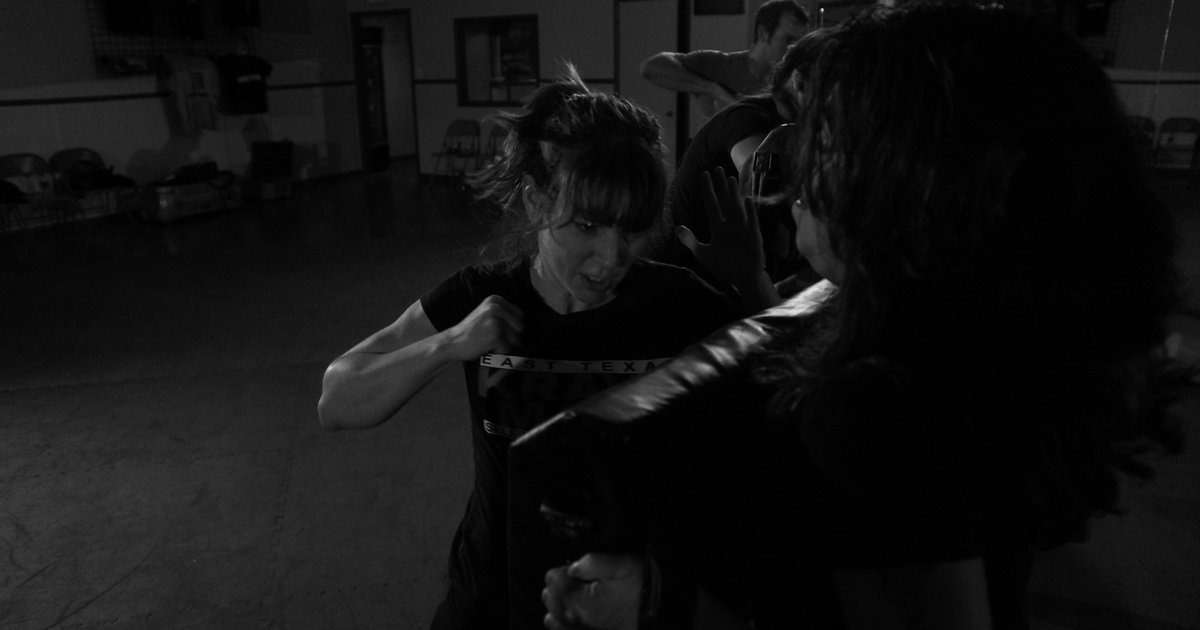
The first time you throw a combative in class, your brain is working harder than your body. That’s normal. Every new student moves through the same three stages of motor learning before a skill becomes instinct. Knowing where you are in that process helps you train with purpose and push through the frustration that makes most people quit too early.
Bruce Siddle, who spent decades studying how the body performs under survival stress, put it simply: “You won’t fight with what you understand. You’ll fight with what you’ve conditioned.” That conditioning happens in stages. Here’s how.
Stage 1: Cognitive Stage. Figuring It Out
This is where it all begins. Everything is unfamiliar, and your brain is working overtime to make sense of movements, positioning, and timing. Mistakes are frequent. Progress feels slow. You’re not just learning to move. You’re learning what the movement means.
How to use this stage:
Embrace the mess. This is the phase where you’re supposed to struggle. Every awkward rep is one step closer to proficiency.
Break it down. Focus on one element at a time. Stance, positioning, or timing. Not everything at once.
Ask questions. This is the best time to lean into curiosity. The more clarity you gain early, the faster you improve.
Build habits, not just motions. Start creating strong, consistent patterns from day one. Don’t worry about speed. Worry about doing it right.
Use mental reps. Visualization is powerful here. Even when you’re not training, running the movement in your mind reinforces it neurologically.
- Key Mindset Shift: “I’m learning how to learn.”
- Stage 2: Associative Stage. Sharpening the Skill
Your movements start to smooth out. You recognize patterns. Reactions get faster. You don’t have to think quite as hard, but you’re not on autopilot yet. This is where real progress happens and where many students start to see their confidence take off.
How to use this stage:
Challenge yourself. Add variations to drills. Different partners, angles, speeds, and environmental factors.
Set measurable goals. Focus on improving speed, power, precision, or reaction time.
Stay engaged. It’s easy to slip into cruise control here. Keep your intensity and intent high.
Record your progress. Video or journaling can help you spot subtle improvements or recurring errors.
Start applying skills in context. Think beyond the pad. Picture how you’d respond to a threat on the street, in a car, or at work.
- Key Mindset Shift: “I’m refining for reality.”
- Stage 3: Autonomous Stage. Moving Without Thinking
This is where your skills become instinctive. You respond without hesitation. Your body does what it needs to do without waiting for your mind to catch up. Motor learning research calls this automaticity, and Siddle’s work confirms it: this is the only level of skill that reliably shows up under real stress. Everything below this line breaks down when surprise and adrenaline enter the picture.
How to use this stage:
Train under pressure. Seek out high-stress or surprise-based drills. This is where you test how deep your training really goes.
Make it personal. Customize your responses to your size, strengths, environment, and likely threats.
Sharpen your awareness. With skills automated, your mind can focus on reading danger, controlling space, and protecting others.
Keep evolving. Fluency in the basics doesn’t mean you stop learning. Expand into new areas. Weapon defense. Confined space. Multiple attackers.
Teach what you know. Helping newer students sharpens your own understanding and reinforces what you’ve built.
Key Mindset Shift: “I’m not just trained. I’m ready.”
You’re Not Just Training. You’re Changing How Your Brain Works.
Whether you’re a complete beginner or someone who’s already had to use their training in real life, these stages apply. Knowing where you are helps you stay motivated, focused, and efficient. Setbacks aren’t failure. They’re part of the process.
Every rep you put in writes the program your body runs under pressure. Make it worth running.


