Try a Free Class
About Us About Us What is Krav Maga FAQ Training Methods Training Options Self Defense Firearms Training Women's Self Defense Youth Self Defense Law Enforcement Events Schedule & Pricing Pro Shop Contact Us Try a Free Class

Simplified Decision-Making Series 3
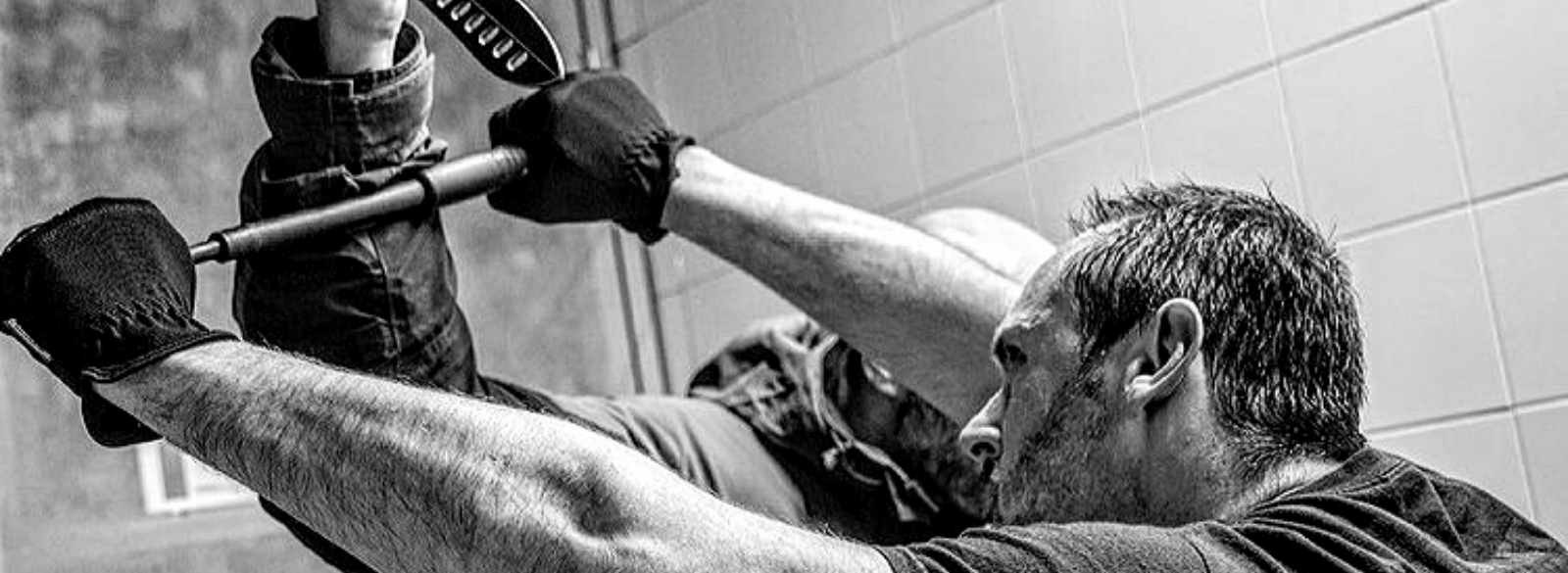
When it comes to personal safety, having a solid plan before a crisis occurs can be the key to staying calm, focused, and effective under pressure. This concept, known as strategic preplanning, involves creating a mental playbook that guides your actions when faced with potential threats. By visualizing different scenarios and mentally rehearsing your responses, you can prepare yourself to act swiftly and confidently when it matters most.

Simplified Decision-Making Series 2

When faced with a sudden crisis, your ability to respond quickly and effectively can be the difference between safety and danger. But in high-stress situations, your mind can easily become overwhelmed, leading to hesitation or even a complete inability to act. This is where the concept of simplified decision-making becomes crucial. By having a pre-planned, straightforward approach to decision-making, you can streamline your response, allowing you to act swiftly and confidently when it matters most.

Simplified Decision-Making Series 1

In the world of self-defense, the ability to protect yourself goes far beyond knowing how to throw a punch or perform a takedown. While physical techniques are crucial, there’s another aspect that’s equally, if not more, important: decision-making under pressure. When faced with a crisis—whether it’s being followed, approached by a suspicious individual, or even an attempted abduction—how quickly and effectively you can assess the situation and decide on a course of action can make all the difference.

Krav Maga Enhances Your Critical Thinking Skills

      Critical Thinking Skills   Loading the Elevenlabs Text to Speech AudioNative Player… Krav Maga: Cultivating Critical Thinking Through Dynamic Training Krav Maga, originally developed for the Israeli military, is well-known for its practical approach to self-defense. Beyond its physical techniques, Krav Maga also plays a pivotal role in developing critical thinking skills. … Read more

Accelerated Learning Techniques for Combative Skills

Accelerated learning involves techniques and strategies that allow individuals to learn new skills more quickly and effectively. In the context of combative training, accelerated learning can help practitioners rapidly acquire and refine the physical and mental skills necessary for effective self-defense and combat readiness. This approach leverages the brain’s natural ability to absorb and process information at an enhanced rate, using methods such as intense practice, mental rehearsal, and feedback loops​​.

State Management and State Access Techniques

State management refers to the ability to control one’s psychological and physiological state during high-stress situations. In combative contexts, effective state management is crucial for maintaining focus, composure, and the ability to respond appropriately to threats. This involves controlling adrenaline, fear, and other emotions to ensure peak performance under pressure​​.

Cultivating a Confident Body Language Profile

Body language is a powerful form of non-verbal communication that can significantly influence how others perceive us, especially in combative situations. The way we carry ourselves can either deter potential aggressors or make us appear as easy targets. Understanding and mastering body language is crucial for projecting confidence and assertiveness, which are essential for personal safety and effective self-defense​​.

Mental Imagery and Visualization for Combat Readiness

Mental imagery, also known as visualization, is a powerful tool for enhancing combat readiness. It involves creating vivid, detailed mental pictures of specific scenarios and practicing responses to them. This technique helps in preparing both the mind and body for real-life confrontations by simulating the experience in a controlled, safe environment.

Visualization works by engaging the same neural pathways used in actual physical performance. This mental rehearsal can lead to improved muscle memory, faster reaction times, and heightened situational awareness. Athletes, performers, and military personnel have long used mental imagery to enhance performance and achieve their goals.

Enhancing Situational Awareness and Communication Skills

Situational awareness is the ability to perceive and comprehend the environment around you and anticipate potential threats. It’s a critical skill for anyone involved in combative situations, as it allows for early detection of danger and enables preemptive action. High situational awareness can prevent conflicts from escalating and provide a tactical advantage in confrontations.

Developing a Combative Mindset

A combative mindset is a mental framework designed to prepare individuals for the psychological and emotional challenges of violent confrontations. It encompasses the ability to remain focused, resilient, and aggressive when necessary, regardless of the circumstances. This mindset is crucial for effectively handling real-world threats and ensuring personal safety. Developing a combative mindset involves cultivating mental toughness, controlling fear, and maintaining a proactive, determined attitude.