This is the final article in the Tier 1 Civilian series. Part 1 asked whether you were training honestly. Part 2 covered what stress does to your body. Part 3 covered whether your preparation has kept pace with your life. This article is about what happens when preparedness stops being something you do and becomes something you are.
There is a shift that happens with students who stay in training long enough. It is quiet, and most of them do not notice it until someone points it out.
They stop thinking of self-defense as a class they attend.
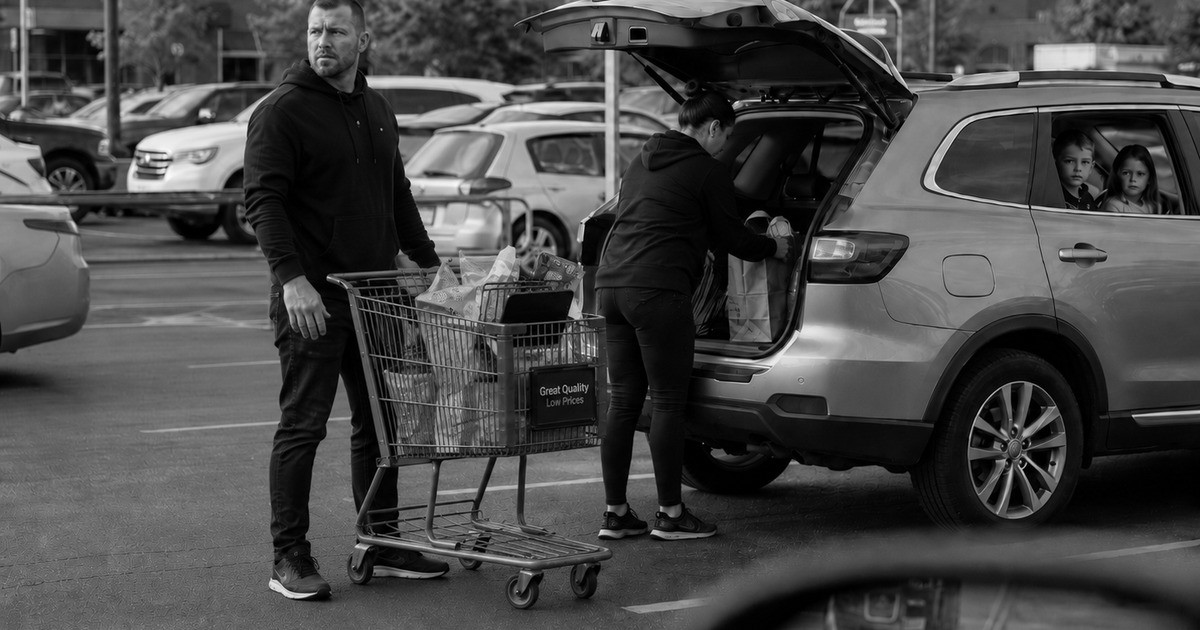
It becomes part of how they move through the world. The way they scan a room when they walk in. The way they sit facing the entrance without being told. The way they keep their phone down in a parking lot and check their mirrors before opening a car door. The way they mentally note exits in every new building.
Nobody told them to do this today. It is just how they operate now. It is part of who they are.
This is the identity shift that Morrison’s Tier 1 Civilian framework is really about. Not a rank. Not a tactical label. A way of choosing to live.
The Calmer Life Paradox
One of the most common misconceptions about people who take personal safety seriously is that they must live in a constant state of anxiety. That paying attention to threats means living in fear of them.
The opposite is true.
There is a observation that holds up across the self-protection literature: preparedness supports a calmer, kinder life, not a paranoid one. The vague dread that sits beneath unresolved questions is heavier than specific, clear answers. When you know what you would do if something went wrong, you do not spend your energy worrying about it. You have already answered the question. What remains is living.
Think about someone who has never thought about what they would do if a stranger approached their car with their kids in the backseat. That person carries a background anxiety they may not even be able to name. They feel uneasy in parking lots but cannot articulate why. They avoid certain situations without understanding what specifically makes them uncomfortable.
Now think about someone who has thought about it. Who has practiced the response. Who knows their exits, has a verbal boundary ready, and has trained their body to act if verbal boundaries fail. That person is not more anxious. They are less anxious. The question has been answered. Their hands are steady because their mind is clear.
What Changes When Preparedness Becomes Identity
Freeborn writes that self-control is the ability to regulate one’s emotions, and it is a combat skill. This reframe matters. Most people think of emotional regulation as a personality trait. Something you either have or you do not.
It is not. It is a trainable skill. And when you train it alongside physical skills, something changes in how you carry yourself.
Students who reach this point stop reacting to every provocation. They stop escalating situations that do not require escalation. They become calmer in conflict because they have less to prove. A person who knows they are capable does not need to demonstrate it. Their ego has less work to do because their confidence is grounded in tested ability, not in hope.
This is the identity piece that sets the Tier 1 Civilian apart from someone who simply took a self-defense class once. The class gives you techniques. The identity gives you a framework for how you think, how you prepare, and how you respond. Techniques can be forgotten. Identity tends to stick.
At ETKM, we see this shift in students who have been training for six months or more. They carry themselves differently. They make better decisions in everyday conflict, not just in physical encounters. They are more patient with their families. They are more composed at work. Their training has changed how they process stress in general, not just how they respond to violence specifically.
Mission Clarity: The Framework That Holds It Together
Freeborn’s Violence of Mind introduces a concept that ties the Tier 1 Civilian identity together: mission and mission parameters.
Your mission answers a simple question: what are you protecting, and at what cost?
Your parameters answer the follow-up: what do you do, and not do, when things get borderline?
Most people have never sat down and answered these questions explicitly. They operate from a vague sense of “I would protect my family” without defining what that means in specific situations. What would you do if someone followed you to your car? What would you do if someone threatened your child at a store? What would you do if a verbal argument in your driveway started showing physical warning signs?
The person who has answered these questions in advance will respond faster, more appropriately, and with less emotional fallout. The person encountering them for the first time under adrenaline will not.
This is not a one-time exercise. Your mission and parameters need updating as your life changes. A new child changes your parameters. A new job changes your environment. A new neighborhood changes your risk profile. The Tier 1 Civilian treats these updates as normal maintenance, not as evidence that the world is getting worse.
What Morrison Is Really Asking
Across this entire series, Morrison has been asking you one question in four different ways.
Are you willing to take your own safety seriously enough to do something about it?
Not to worry about it. Not to think about it someday. Not to hope that nothing bad ever happens. To do something. To train. To practice. To build habits. To make decisions in advance. To treat your preparation with the same importance you give to your career, your health, and your family.
Because here is what the research consistently shows, across every book and every expert we have referenced in this series. Gonzales studying survival. Grossman studying combat physiology. Freeborn studying criminal violence patterns. Van Horne and Riley studying threat detection.
They all arrive at the same conclusion.
Preparedness is not a personality type. It is a practice. And the people who practice it live calmer, more confident, more capable lives than the people who leave it to chance.
The survival kit is inside you, as Gonzales writes. But it has to be built. It has to be tested. And it has to be maintained.
The Tier 1 Civilian Choice
Being a Tier 1 Civilian is not a rank you earn. It is a choice you make about how you live.
It is the choice to scan a room before you sit down. To face the entrance when you can. To keep your phone down in transitional spaces. To make decisions about threats in advance instead of in the moment. To train your body for the conditions it will actually face under stress. To audit your readiness honestly and close the gaps you find.
It is also the choice to live well while you do it. Not in fear. Not in aggression. In the steady, quiet confidence that comes from being prepared.
Morrison’s questions started this series. Your answers determine what comes next.
Your Next Step
If anything in this series resonated with you, the next step is the mat. Schedule your free trial lesson at East Texas Krav Maga in Tyler, Texas. See what honest, pressure-tested training looks like. Find out where you stand. Start building.
Schedule Your Free Trial Lesson
Not ready for the mat yet? Start with awareness. Download our free guide to personal safety habits and begin building the daily practices that prepared people rely on.
This concludes the Tier 1 Civilian series. Read the full series: Part 1: What Would Change If You Trained Like It Mattered? | Part 2: What Happens to Your Training When Adrenaline Hits? | Part 3: Is Your Preparedness Keeping Up with Your Life?


